


































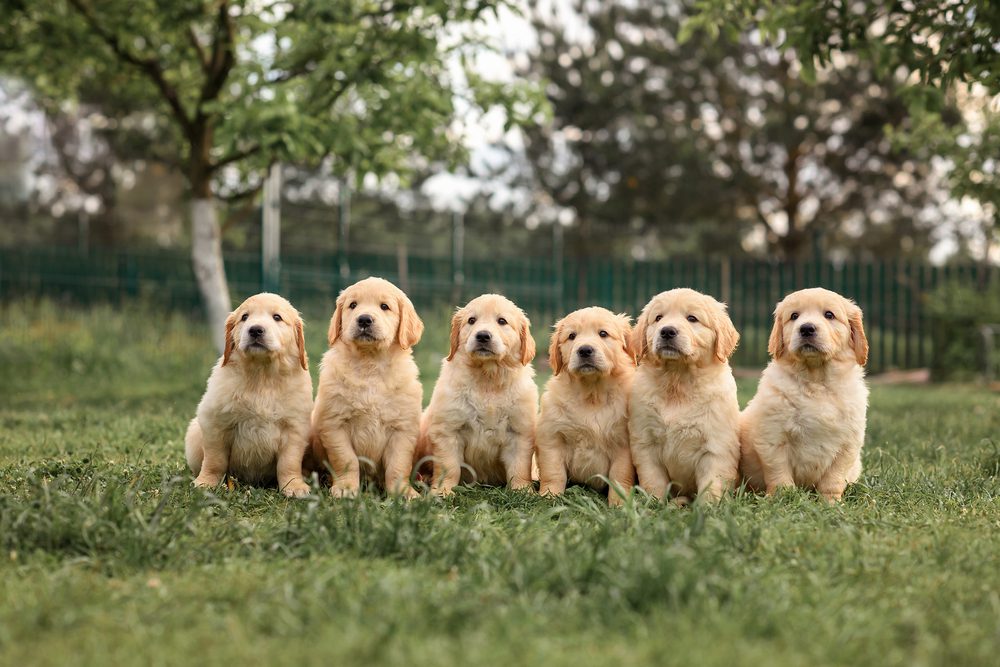
Introducing a new puppy to your current dog is often an exciting process, and many dogs will become fast friends and eas...
Read MoreAdopt Me
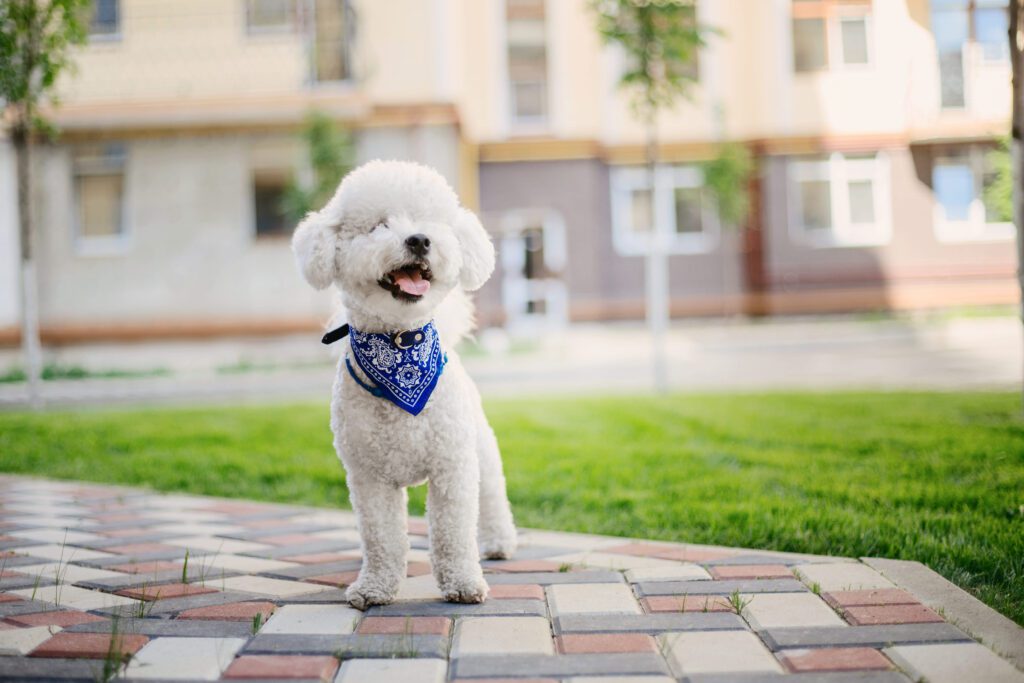

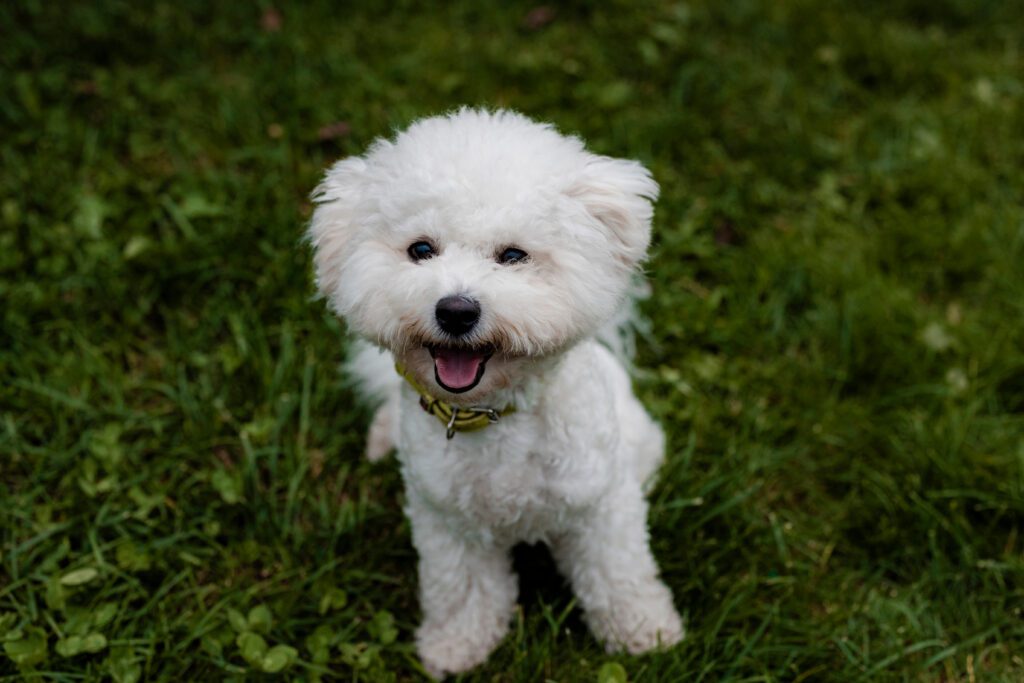
The Bichon Frise is a cheerful, people-focused companion that loves play, cuddles, and routine. The breed stays small, sheds very little, and offers a bright, social personality that fits many homes. A Bichon Frise often bonds closely with family and thrives when included in daily life.
Research matters before you bring home any dog. Learn about temperament, exercise needs, grooming, and training. Adoption gives a dog a second chance and often provides useful history from caretakers. Choosing to adopt a Bichon Frise also supports animal welfare and usually costs less than buying from a breeder while still offering a well-vetted pet.
New York offers many perks for a small companion. Apartment living suits the Bichon’s size, and frequent walks match the breed’s moderate energy. Winters in New York are cold and slushy, which means a Bichon Frise may need a warm coat and paw protection. Summers can be hot and humid, so you must watch for heat stress during midday walks. City sidewalks, busy streets, and elevator trips require calm leash manners and patient socialization. Suburban and upstate homes provide more room, yet the same rules apply. A Bichon Frise does best with steady routines, indoor comfort, and gentle guidance across any New York setting.
You can skip searching rescues and shelters one by one by starting with Dog Academy. You can browse Bichon Frise adoption listings, read educational guides, and use a clear adoption checklist in one place. You can also check local animal shelters, regional rescues, and breed-specific rescue groups to expand your options.
The process usually begins by browsing listings and reading full profiles. Profiles often include age, size, temperament notes, and medical updates. Once you find a match, you complete an application that covers your home setup, daily schedule, experience, and veterinary references. Renters typically provide landlord approval and details about pet policies. Clear and complete information speeds the review.
After the application review, most groups schedule a meet-and-greet. This step confirms that the dog’s energy, handling preferences, and personality align with your household. Many groups also complete a home check, which may occur as a virtual tour or an in-person visit. Home checks confirm safe fencing, secure trash, and a plan for exercise and rest. Approval timelines differ by organization and by dog. In New York, you can expect about 1 to 3 weeks from application to approval when you respond quickly and provide all documents.
Once approved, you sign an adoption contract, pay the fee, and arrange pick-up or delivery. Some rescues arrange transport to move dogs between states when a strong match exists. Transport is typically handled by volunteers or licensed carriers who move dogs safely to agreed meeting points. After you bring your Bichon Frise home, most groups provide support during a short adjustment period so you and your dog settle in successfully.

|
How Much Does It Cost to Adopt a Bichon Frise in New York?In New York, a realistic adoption fee for a Bichon Frise ranges from $250 to $600. Fees vary with age, training, recent medical care, and local demand for small hypoallergenic breeds. Young adults and highly in-demand dogs often sit at the higher end, while seniors and dogs with special needs may be lower. Adoption fees usually include spaying or neutering, vaccinations, microchipping, and veterinary exams. Many groups also provide deworming and a recent dental check, which can raise costs in New York due to higher veterinary prices. A dog who arrives already house trained or who has completed basic obedience may also command a higher fee because that preparation saves you time and training costs later. |
How Should I Train a Bichon Frise?The Bichon Frise is intelligent, affectionate, and eager to please. Short, upbeat sessions work best. Reward calm choices and polite greetings with treats, toys, or praise. Consistency builds confidence and prevents pushy behaviors. House training can take time because small dogs have small bladders, and cold New York mornings can reduce motivation to go outside. Use a clear routine, frequent outings, and reward every success. Crate training supports safety and helps prevent accidents when you cannot supervise. Bichon Frises can bark to alert, especially in busy buildings. Teach a quiet cue by rewarding silence after a brief alert. Socialize kindly with new sounds, elevators, and city traffic so your dog stays relaxed in New York environments. Mental enrichment matters as much as walks. Use food puzzles, scent games, and easy trick training to channel energy. For step-by-step guidance, explore Dog Academy’s online training courses, which provide positive reinforcement plans you can apply at home and on city sidewalks. |
|
A Bichon Frise fits best with owners who want a close companion, enjoy short daily walks, and can provide regular grooming. The ideal home offers structure, patient training, and company during the day. Families with gentle children, retirees, and remote workers often find the breed a natural match.
Preparation leads to a smooth transition. Gather supplies, plan a vet visit, and set a clear routine for walks and rest. Take your time, ask questions, and trust the process. When you are ready to adopt a Bichon Frise in New York, begin your search through Dog Academy and move forward with knowledge and confidence.
Introducing a new puppy to your current dog is often an exciting process, and many dogs will become fast friends and eas...
Read More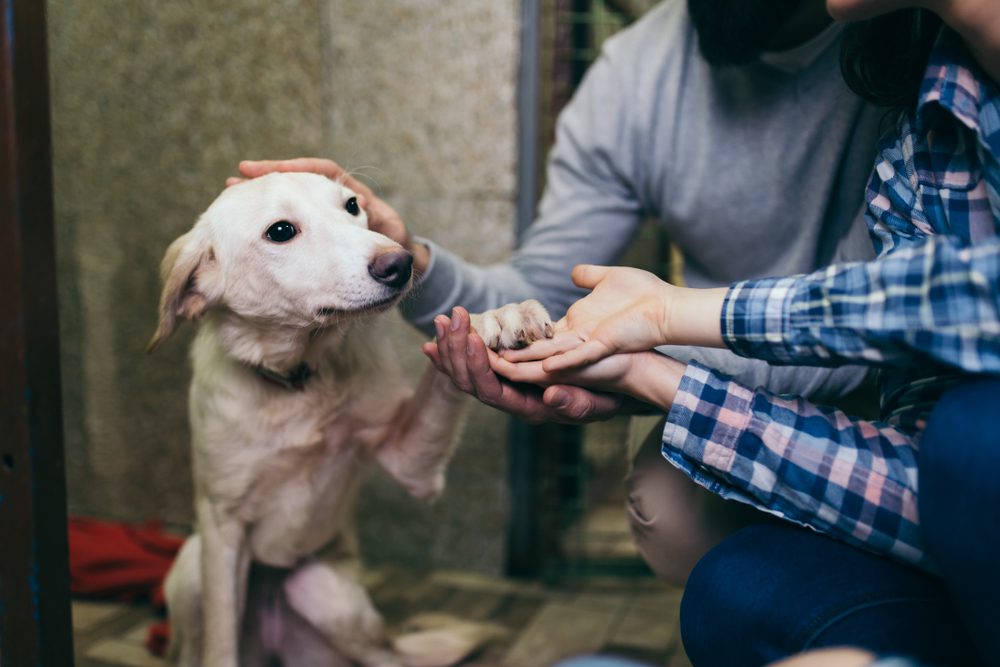
Rescue dogs can make great companions and can transform your home into something better. These dogs make great pets and ...
Read More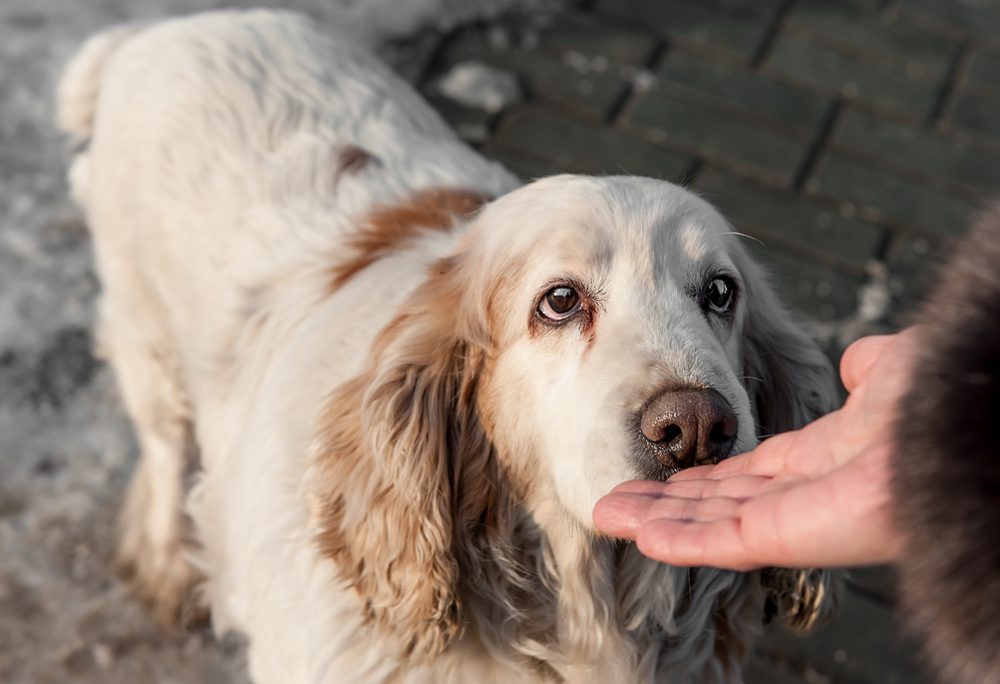
You should never rush to pet a dog. Even dog owners make the mistake of approaching unfamiliar dogs and petting them rig...
Read More
Puppy mill dogs are survivors who have endured extreme hardships in their lives. They have grown up in horrendous, unsan...
Read More
With their wagging tails and comforting presence, adopting a dog can add a unique touch to your life. It’s a heart...
Read More
Older dogs may have a few gray hairs around the edges, but that doesn’t mean they can’t make wonderful companions! T...
Read More